
The era of the "static" e-commerce store is officially over.
If your online storefront operates the exact same way for every single visitor, you are leaving money on the table. Until recently, adding "AI" to a storefront meant installing a basic chatbot that frustrated users more than it helped. But in 2026, the technological leap has moved from Generative AI (answering questions) to Agentic AI (taking autonomous action).
For brands looking to scale, Agentic AI isn't just a buzzword; it is a critical infrastructure upgrade. Here is exactly how intelligent agents are fundamentally transforming custom WordPress and Shopify development to drive unprecedented revenue.
What is Agentic AI in E-commerce?

Think of standard AI as a highly intelligent assistant who waits for your instructions. Agentic AI, on the other hand, is like a proactive store manager. It doesn't just analyze data; it executes multi-step workflows autonomously based on real-time triggers.
Instead of a human developer or marketer manually updating product bundles, triggering cart abandonment emails, or analyzing drop-off rates, Agentic AI handles the execution in the background.
1. Shopify: Hyper-Personalization at Scale
Shopify is already a powerhouse, but integrating custom AI agents takes its capabilities into the stratosphere.
- Dynamic Pricing & Bundling: Custom AI integrations can monitor competitor pricing, current inventory levels, and a specific user’s browsing history to dynamically generate unique product bundles and pricing incentives at the exact moment of checkout.
Predictive Inventory Routing: AI agents can autonomously forecast demand spikes based on trending social media data and automatically route inventory to the fulfillment centers closest to the predicted buyers.
2. WordPress: Bridging Modern AI with Robust Architecture
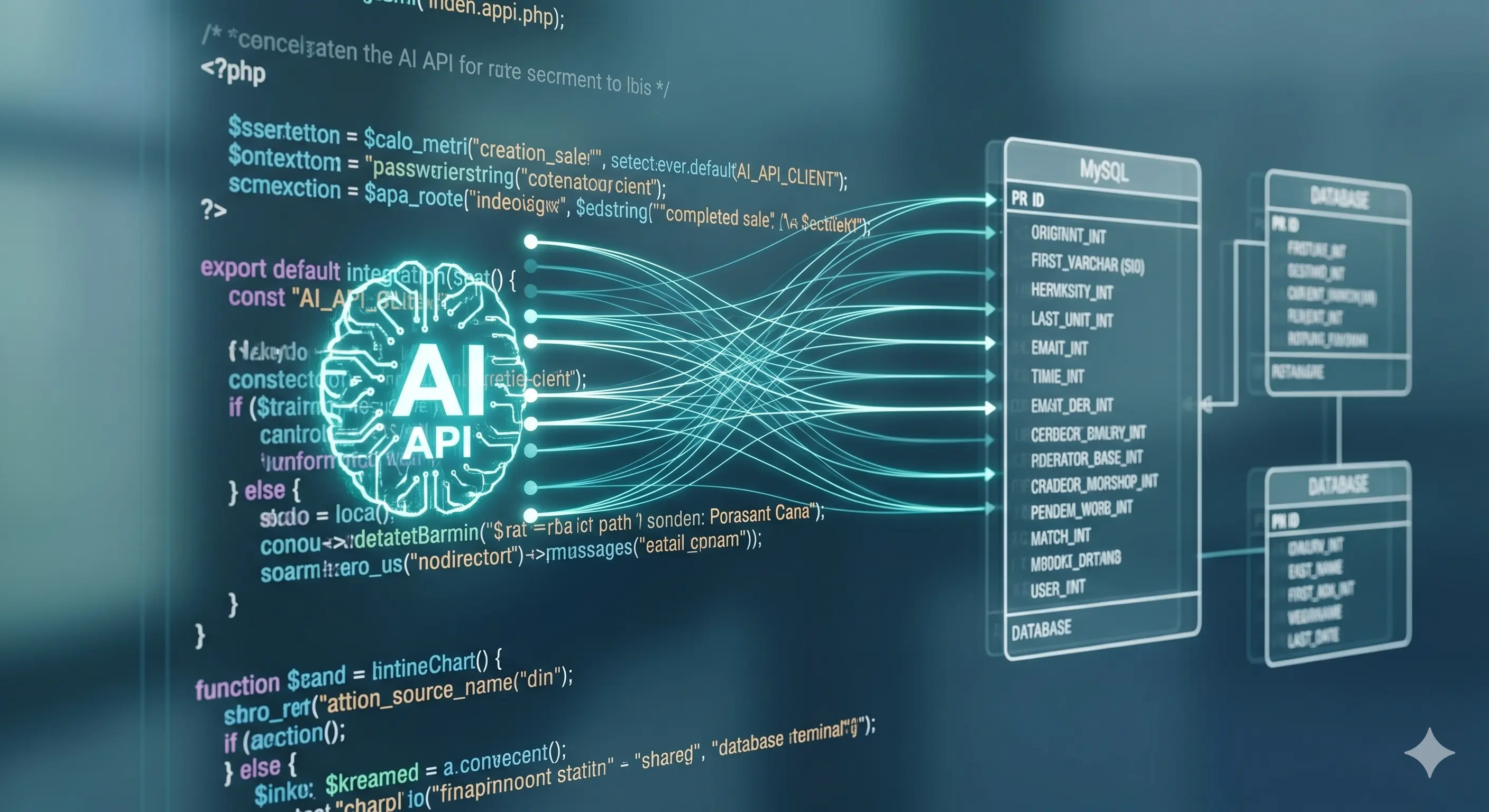
For businesses running on WordPress and WooCommerce, flexibility is the primary advantage. Integrating modern AI APIs doesn't mean abandoning your existing foundation.
- Deep Backend Integration: The true power lies in bridging cutting-edge Large Language Models (LLMs) with robust, traditional backend architectures. By connecting intelligent APIs directly into existing PHP frameworks and MySQL databases, developers can turn a standard WooCommerce setup into a predictive engine.
- Automated Catalog Management: Imagine an AI agent that automatically reads supplier databases, categorizes new inventory, writes SEO-optimized product descriptions, and updates your MySQL database without human intervention.
3. The Design Element: Cinematic & Minimalist UI

High-ticket customers expect a premium digital experience. One of the greatest misconceptions about AI is that it creates cluttered, robotic interfaces. In reality, the opposite is true.
By utilizing Generative UI, developers can build dynamic front-end components that adapt to the user while maintaining a strictly premium, cinematic, and minimalist aesthetic. The AI handles the complex personalization logic in the backend, allowing the user interface to remain sleek, fast, and visually striking. No bloated code, no cluttered menus—just a seamless, high-end shopping experience tailored to the individual.
The Bottom Line: Why You Need an Agency Partner
You cannot achieve this level of automation by simply downloading a $10/month plugin. Building a true Agentic AI ecosystem requires custom API integrations, secure webhook setups, and expert-level database management. It requires an architecture built specifically for your brand’s unique workflows.
If your business is ready to evolve from a static storefront to an intelligent, autonomous sales engine, it is time to upgrade your infrastructure.
Ready to future-proof your digital storefront? Reach out to our development team today to schedule a technical consultation. We build the intelligent systems that drive your business forward.
Frequently Asked Questions (Zero-Click SEO)
What is the difference between Generative AI and Agentic AI in e-commerce? Generative AI creates content, such as writing product descriptions or generating images. Agentic AI executes tasks autonomously, such as analyzing a user's cart, predicting their likelihood to purchase, and automatically generating and sending a custom discount code without human input.
Can AI be integrated into an existing custom PHP/MySQL website? Yes. Modern AI models are accessed via APIs, which can be securely integrated into existing PHP and MySQL architectures. This allows businesses to add advanced predictive analytics and intelligent search functionalities without needing to rebuild their entire legacy system from scratch.
Will AI slow down my Shopify or WordPress site? No, when implemented correctly. Professional agencies process heavy AI computations server-side or via asynchronous API calls, ensuring that the front-end user experience remains incredibly fast, minimalist, and highly responsive.
Need a help for transforming your buisness digital ?